Learn more about the Clinical Trials that are recruiting at ARA.
We’re excited to announce that clinical research has officially relaunched at Arthritis and Rheumatism Associates (ARA).
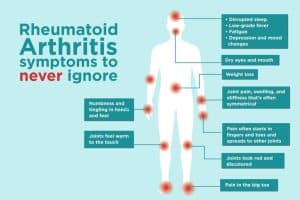
Rheumatoid Arthritis (RA):
ARA is actively enrolling volunteers to participate in our Rheumatoid Arthritis clinical trial at our Rockville, MD, location.
Length: 76 weeks
Age: 18 & Older
Male & Females
Eligible for stipend and travel compensation
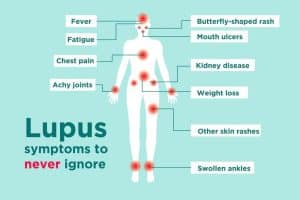
Systemic Lupus Erythematosus (SLE):
ARA is actively recruiting volunteers to participate in our Systemic Lupus Erythematosus (SLE) study at our Rockville, MD, location.
Length: 48 weeks
Age: 16 & older
Male & Females
Eligible for stipend and travel compensation
Interested in participating in one of these clinical trials?
Contact:
Briana Robinson, Clinical Research Coordinator
(301) 942-0442 Ext. 21622
Briana.Robinson@arapc.com
If you don’t see your indication/illness and would be interested in a clinical trial, please send your interest to:
Trial.Info@aaracr.com
What is a clinical trial, and how does it work?
A clinical trial is a type of research study that tests new medical treatments, like medicines or vaccines, to make sure they are safe and effective for people. Before a new treatment can be approved for use, it goes through several stages of testing. First, small groups of people help researchers find out if the treatment is safe and what side effects it might have. Then, larger groups test if the treatment actually works to help the disease. Some people in the trial might get the new treatment, while others might get the standard treatment or a placebo (a fake treatment), so researchers can compare results. Everyone who joins has to agree after learning about the possible risks and benefits. These trials are closely watched by doctors and experts to keep participants safe. The goal is to find better ways to treat or prevent illnesses and improve healthcare for everyone.
Who conducts clinical studies?
Clinical studies are usually conducted by doctors, scientists, and researchers who work at hospitals, universities, research centers, or pharmaceutical companies. Sometimes, government agencies like the National Institutes of Health (NIH) or private medical companies sponsor these studies to test new treatments or medical devices. The people leading the study are called principal investigators— doctors with special training in research. These teams often include nurses, pharmacists, and other healthcare workers who help care for the participants and collect information. Clinical studies are usually conducted by doctors, scientists, and researchers who work at hospitals, universities, research centers, or pharmaceutical companies. Sometimes, government agencies like the National Institutes of Health (NIH) or private medical companies sponsor these studies to test new treatments or medical devices. The people leading the study are called principal investigators— doctors with special training in research. These teams often include nurses, pharmacists, and other healthcare workers who help care for the participants and collect information.
Can joining a clinical trial help me?
Yes, joining a clinical trial can help you in several ways, but it depends on the trial and your personal situation. By joining, you may get access to new treatments before they are widely available, especially if you have a condition that hasn’t responded well to current treatments. You’ll also receive close medical attention from doctors and research staff during the study. Many people join trials because they want to help advance science and help others in the future. However, clinical trials also have risks—new treatments may not work as expected or could have side effects. Before joining, you’ll be given clear information about the possible benefits and risks so you can decide what’s best for you.
Are clinical trials risky or unsafe?
Clinical trials are designed to be as safe as possible, but like any medical treatment, they do carry some risks. The purpose of a clinical trial is often to find out how well a new drug or treatment works and whether it causes any side effects. Some treatments may work really well, while others might not help or could cause side effects—mild or serious. That’s why clinical trials follow strict rules to protect participants. Before you can join, the researchers will explain all the possible risks and benefits, and you’ll have to give your permission (called informed consent). Also, the trial is carefully monitored by doctors, nurses, and special review boards to keep you as safe as possible. Even though there is some risk, many people feel that the chance to help themselves or others is worth it.
Is the level of care in a clinical trial the same as regular clinic care?
The level of care in a clinical trial is often equal to or even better than regular clinical care. That’s because participants in clinical trials are closely monitored by a team of trained doctors, nurses, and research staff who follow strict guidelines to keep people safe. You may have more frequent check-ups, lab tests, or health assessments than you would during regular visits to your doctor. The goal is to carefully track how the treatment is working and watch for any side effects. While the main focus of a trial is research, your safety and well-being are always a top priority. However, the exact care you receive can depend on the type of trial, the treatment being tested, and the research site running the study.
What is informed consent?
Informed consent is the process by which you learn important details about a clinical trial before you decide whether or not to join. It makes sure you understand what the study is about, what will happen if you participate, and what the possible risks and benefits are. This process usually includes a written document that explains things like the purpose of the study, how long it will last, what treatments or procedures you might receive, and any side effects that could happen. You’ll have a chance to ask questions and get clear answers from the research team. Signing the form means you agree to participate, but it’s not a contract—you can leave the study at any time, for any reason. The purpose of informed consent is to help protect you and make sure you’re joining the study because you choose to, fully understanding what’s involved.
What will it cost?
At our research site, the costs related to the clinical trial—such as the study medication, study-related visits, tests, and procedures—are usually provided at no cost to you. In
some cases, you may also receive compensation for your time, travel, or other expenses. Any costs not covered by the study, like regular medical care you would receive even if you weren’t in the trial, will be explained to you before you decide to join. Our team will go over everything with you in detail so you’ll know exactly what to expect. There’s no cost to apply, and you’re never obligated to participate after learning about a study. Your health and your choice always come first.
Are clinical trials “last resorts”, should I wait to participate?
Clinical trials are not just “last resort” options—they can be a good choice at many different stages of care, depending on your situation. Some trials test brand-new treatments for people who haven’t found success with current options, but many others study ways to improve standard care, prevent disease, or manage symptoms better. Joining a trial early might give you access to promising new treatments before they’re widely available. It’s also a way to help advance medicine for others in the future.
Whether or not you should join now depends on your health, the specific trial, and your personal goals. Our team is here to help you learn about available studies and decide if one is a good fit for you. Remember—you’re always free to ask questions, and there’s no pressure to join. The decision is completely yours.